Cozy Up: The Ultimate Guide to Gas Fireplace Installation
Gas fireplaces offer a blend of comfort and efficiency, turning everyday living areas into cozy havens. This resource details the essential steps for selecting and installing a gas fireplace, guaranteeing optimal safety and reliable performance. From recognizing the core advantages to getting ready for setup, each consideration holds significant importance. As homeowners consider these elements, questions may arise regarding the unique advantages and available design choices. Achieving a warmer and more comfortable home starts with well-informed choices.
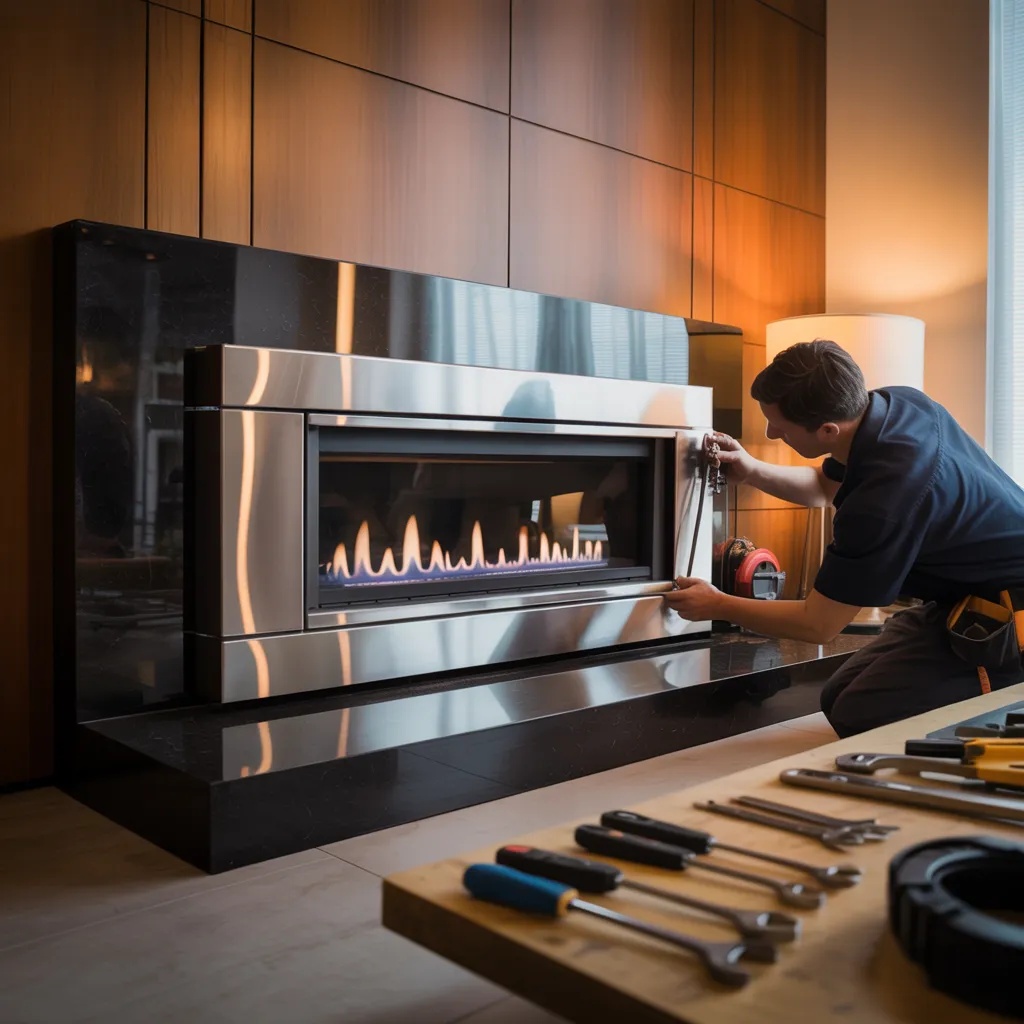
What Makes a Gas Fireplace Easy to Love
A gas burning fireplace turns a home into a comfortable haven, providing comfort and charm with the convenient push of a button. In contrast to conventional wood-burning fireplaces, gas fireplaces offer the advantage of on-demand heat, removing relevant information the hassle of gathering wood or cleaning up ashes. Their design enables steady climate regulation, positioning them as an excellent solution for year-round use.
Additionally, gas fireplace units can be found in a broad selection of aesthetic styles and configurations, seamlessly blending with various home décor styles. Gas fireplaces require reduced upkeep than conventional wood-burning alternatives, as they produce reduced emissions and remove the necessity of regular chimney cleaning. This green characteristic attracts sustainability-focused homeowners.
Additionally, the safety features of current gas fireplace models, including glass enclosures and automatic shut-off valves, offer greater peace of mind. All things considered, a gas fireplace not only elevates the aesthetic of a home but also ensures a comfortable and inviting atmosphere for family members and guests alike.
Picking the Right Gas Fireplace for Your Home
Choosing the best gas fireplace requires examining various factors to guarantee it meets both visual and practical needs. Homeowners should first assess the size of the space, as the size and heating capacity of the fireplace must match the room's requirements. Aesthetic considerations, such as conventional versus modern designs, play a crucial role in guaranteeing the fireplace matches current interior design.
Fuel type represents another critical aspect to evaluate; natural gas and propane each provide distinct installation and performance qualities. Additionally, venting configurations—direct vent, vent-free, or B-vent—influence airflow and overall safety.
Energy efficiency ratings deserve careful attention; higher efficiency models can lead to reduced energy costs. Furthermore, evaluating the manufacturer's reputation and warranty options can provide peace of mind regarding the fireplace's longevity and service. By thoughtfully considering these elements, homeowners can identify a gas fireplace that elevates both the warmth and aesthetic appeal of their living area.
Key Installation Factors for Gas Fireplaces
During the installation of a gas fireplace, careful consideration of location is vital for maximum efficiency and safety. Furthermore, grasping the venting requirements is essential to ensure adequate airflow and regulatory compliance. These elements have a major impact on the general efficiency and operation of the fireplace.
Factors for Selecting a Location
Choosing the correct placement for a gas-powered fireplace is crucial for maximizing its safety and efficiency. Factors such as existing structures, room size, and layout greatly affect this choice. For best results, the fireplace should be positioned in a centrally located spot to deliver even thermal distribution throughout the area. Proximity to gas lines is also significant, allowing for an seamless installation procedure. In addition, consideration of adequate clearance from flammable materials and following established building regulations is essential for safe operation. Existing vents and natural light sources should be factored in to optimize both functionality and aesthetics. All things considered, a strategically selected location elevates the performance of the fireplace while enhancing the room's comfort and aesthetic appeal.
Overview of Venting Requirements
Proper venting is a fundamental aspect of gas fireplace installation that considerably influences safety and efficiency. There are two main venting options: direct vent and vent-free. Direct vent units employ a double-walled pipe that expels gases outside while drawing in fresh air, guaranteeing efficient combustion. This system is commonly selected due to its superior safety and performance. Vent-free models, on the other hand, require no external venting and can be more versatile in installation, but they may produce indoor air quality concerns due to the discharge of combustion byproducts. It is important for homeowners to review local building codes and regulations concerning venting standards, as these can vary considerably and may determine the most appropriate and safe installation approaches.
Getting Your Space Ready for Installation
Preparing the location for installing a gas fireplace is a crucial step that ensures optimal safety and performance. To begin, the area should be free from any decorations, furniture, or flammable materials, providing ample room for the installation procedure. This not only secures safety but also provides easy access for the installer. Next, assessing the existing framework is essential; walls, floors, and ceilings should be examined for any required reinforcements or modifications to support the fireplace's weight and heat output.
Moreover, confirming adequate ventilation is important. Property owners should locate potential positions for venting and inspect for any blockages in the planned pathways. Lastly, checking local building requirements and standards can eliminate the risk of future problems. By properly preparing the space, residents can develop a ideal environment for a effective gas fireplace fitting, enhancing both efficiency and safety.
How to Install Your New Gas Fireplace?
Installing a new gas fireplace entails various important procedures to confirm proper functionality and safety. To begin, the installer must identify an suitable location, verifying adequate clearance from combustible materials. Subsequently, the gas line should be installed, generally necessitating the use of a certified technician to meet local codes. The fireplace unit is then situated in the specified area, verifying it is balanced and firmly set.
Ventilation is critical; the installer is required to set up the venting system in accordance with the manufacturer's instructions to maintain correct exhaust performance. Once that is complete, the fireplace's front and any decorative components are attached. Once the unit is in place, it is critical to test for gas leaks using a soap solution on all connections. To conclude the installation, the fireplace should be carefully inspected to confirm that it operates correctly before being used. A correct installation improves not only the fireplace's performance but also the general safety of the household.
Essential Safety Precautions During Installation
Although gas fireplaces offer coziness and aesthetic appeal, safety precautions during installation are vital to avoid potential dangers. Sufficient ventilation plays a key role; installers should guarantee that flue and ventilation systems are properly positioned to eliminate the risk of carbon monoxide concentration. Before any work commences, consulting local building codes and acquiring the appropriate permits can reduce the likelihood of regulatory problems.
Gas lines should be checked for leaks with a soap solution, and all connections must be firmly secured. The use of proper materials is also required, such as heat-resistant enclosures, to minimize fire risks. An electric shut-off valve must be fitted for emergencies, permitting swift gas cutoff.
Lastly, it is recommended to hire a certified technician to handle the installation, making certain that all safety standards are met. Adhering to these guidelines not only strengthens safety protocols but also encourages maximum efficiency of the residential gas fireplace, providing peace of mind for homeowners.
How to Keep Your Gas Fireplace Running Smoothly
Caring for a gas fireplace necessitates periodic care to ensure maximum performance and security. An essential action is to plan yearly evaluations by a certified professional. This ensures that all parts, including the gas supply lines and ignition mechanism, work as intended. Periodic cleaning is just as vital; residue can restrict airflow and lower efficiency. Property owners should carefully clean the logs, burners, and glass doors to avoid soot accumulation.
Inspecting the exhaust system is also a critical responsibility. The system must stay free of blockages to allow proper exhaust. Additionally, homeowners should inspect for gas leaks by dabbing soapy water onto the joints; bubbles indicate leaks. While the system is in operation, monitoring the flame color can offer valuable performance information; an even blue flame signals optimal burning.
Ultimately, keeping a sufficient supply of natural gas or propane will confirm the fireplace operates smoothly. By implementing these steps, homeowners can enjoy a reliable and safe gas fireplace for years to come.
Questions We Often Receive
Is Installing a Gas Fireplace in an Existing Wood-Burning Fireplace Possible?
That's correct, a gas fireplace can be fitted in an current traditional wood fireplace. That said, it calls for appropriate assessments of the construction, airflow, and protective measures to confirm alignment with local requirements and proper functionality.
What Is the Average Cost of Gas Fireplace Installation?
The standard cost for gas fireplace installation typically ranges from $2,500 to $5,000, influenced by factors such as location, type of unit, and necessary modifications to existing structures or ventilation systems.
How Often Should I Service My Gas Fireplace?
A gas fireplace ought to be serviced every year to guarantee safe and efficient operation. Regular maintenance checks help identify potential issues, enhance performance, and increase the longevity of the unit, ensuring a warm, cozy environment.
Are Gas Fireplaces Eco-Friendly?
Gas fireplaces are widely regarded as more eco-friendly than traditional wood-burning options, as they produce fewer emissions and pollutants. That said, their overall effect on the environment relies on the energy source used for gas and local regulations.
Can I Use a Gas Fireplace During a Power Outage?
Yes, a gas fireplace can operate during a power outage, provided it has a standing pilot light. However, electronic ignition models may not work without electricity, so confirming the exact type of fireplace is important.